Bookkeeping for Courier Services: Why Accurate Records Matter
- By Tax Advisor at Tax Care Accountants
- March 17, 2026

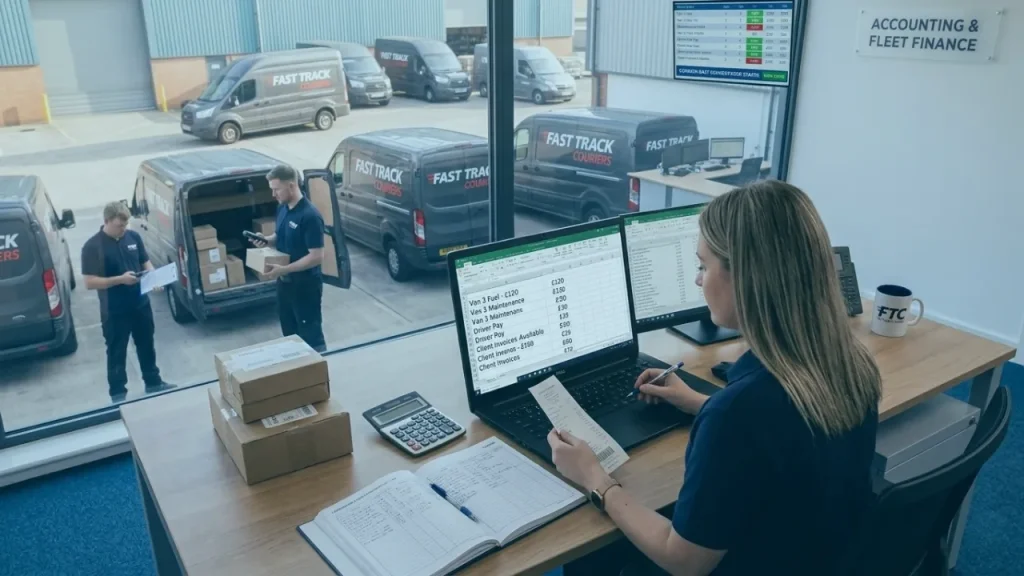
Running a courier business is fast-paced. Deliveries move quickly, payments come from different places, and costs can pile up before you notice.
One app pays weekly. Another pays after adjustments. You may also deal with tips, bonuses, fuel costs, cash-on-delivery payments, parking, insurance, phone bills, repairs and platform deductions.
That is why accurate accounting and bookkeeping for courier services matters.
It helps you understand what you earned, what you spent, what your real profit looks like and whether your records are ready for tax time. More importantly, it gives you the numbers you need to run the business properly.
If your books are messy, you may struggle to see which routes are profitable, which clients pay late, which vehicles cost too much to run, or how much money you should set aside for tax.
Clean records make those decisions easier.
Table of Contents
Why Bookkeeping Matters for Courier Services
Courier work may look simple from the outside. You collect, drive, deliver and receive payment.
The accounts are rarely that simple.
A courier or delivery business may receive income from:
- Delivery apps
- Direct customers
- E-commerce merchants
- Weekly platform statements
- Tips and bonuses
- Contract delivery work
- Cash-on-delivery collections
- Refunds or failed delivery adjustments
At the same time, the business may have regular costs such as:
- Fuel or charging costs
- Insurance
- Vehicle repairs
- Tyres and servicing
- MOT
- Parking and tolls
- Phone and data bills
- Delivery bags and equipment
- Rider payments
- Software subscriptions
- Accounting and bookkeeping fees
If you do not record these properly, you only see part of the picture.
You may know money is coming in, but you may not know whether you are actually making enough profit after fuel, mileage, waiting time, vehicle costs and platform fees.
That is where good courier bookkeeping makes the difference.
Courier Accounting Is More Than Recording Receipts
Many courier drivers and small courier businesses start with a basic spreadsheet. That can work for a while, especially if the work is small and simple.
But as soon as you handle regular deliveries, multiple apps, several clients, cash collections or more than one vehicle, bookkeeping becomes more complicated.
Good courier accounting should show:
- How much income came from each app or client
- What each vehicle costs to run
- How many business miles were driven
- Which costs are business-related
- Whether cash collections match delivery records
- Which invoices remain unpaid
- How much profit the business is making
- Whether records are ready for Self Assessment or company accounts
The goal is not just to keep HMRC happy.
The goal is to give you clear financial control.
What Records Should Courier Businesses Keep?
Courier businesses and self-employed delivery drivers should keep records that show income, expenses and business activity clearly.
Useful records include:
- Weekly app statements
- Customer invoices
- Bank statements
- Cash payment records
- Cash-on-delivery records
- Fuel or charging receipts
- Vehicle repair invoices
- Insurance documents
- Phone and data bills
- Mileage logs
- Parking and toll receipts
- Delivery equipment receipts
- Software and subscription invoices
- VAT records, if VAT registered
- Payroll or subcontractor records, where relevant
Do not rely only on screenshots. Download statements and store them properly.
A simple folder system can help. For example, you can organise records by tax year, then separate them into income, expenses, mileage, insurance, vehicle costs and app statements.
This makes life much easier when your accountant prepares your tax return or company accounts.
Why Mileage Records Are So Important
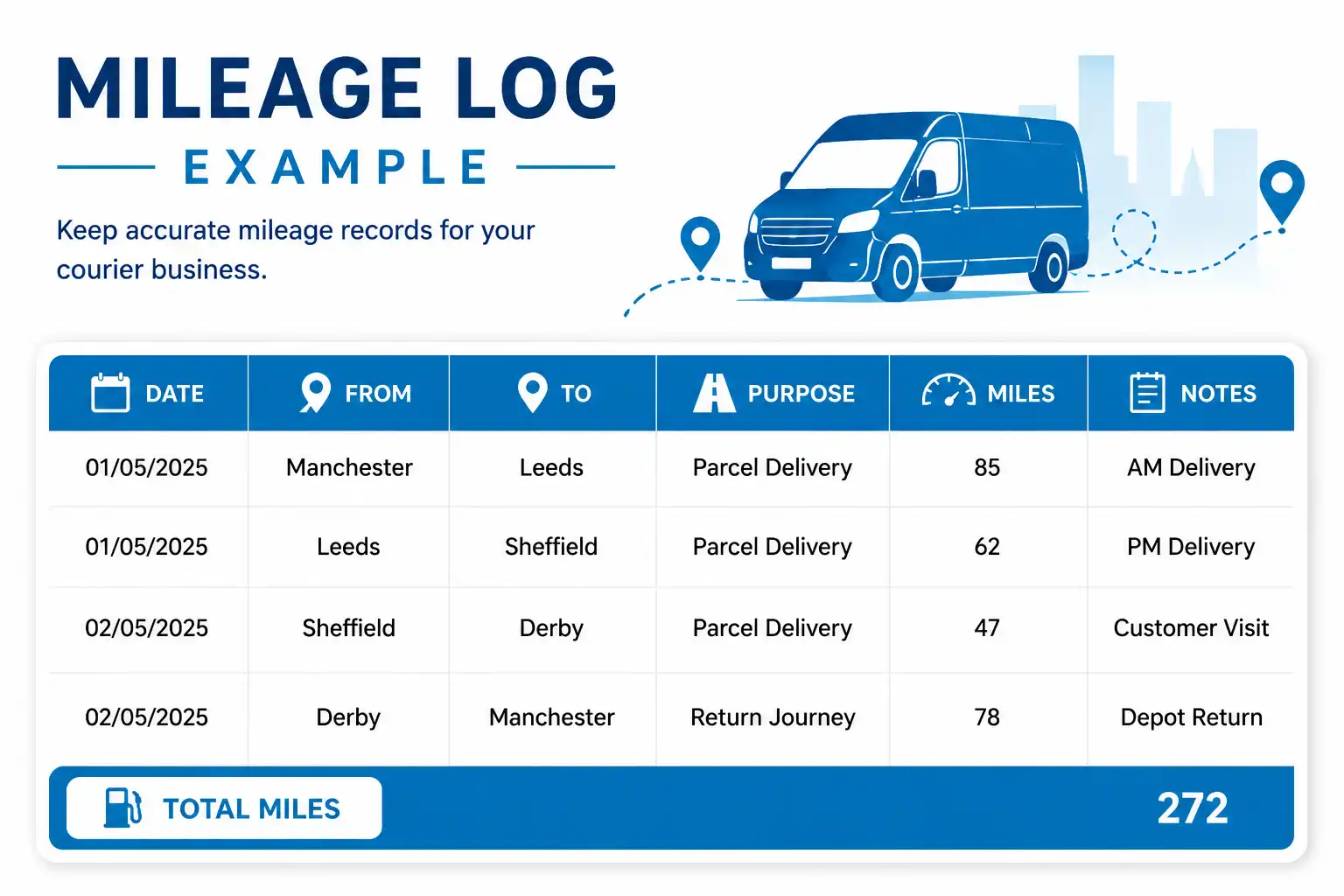
Mileage is one of the most important records for couriers and delivery drivers.
If you use your own car, van, motorcycle or bicycle for courier work, your mileage records may affect your tax position and profit calculations.
Your mileage log should show:
- Date of journey
- Start and end location
- Business purpose
- Miles travelled
- Vehicle used
- App, route or client, where useful
For the 2026/27 tax year, HMRC’s simplified mileage rates are:
Vehicle Type | First 10,000 Business Miles | Business Miles Over 10,000 |
Cars and goods vehicles | 55p per mile | 25p per mile |
Motorcycles | 24p per mile | 24p per mile |
Bicycles | 20p per mile | 20p per mile |
Mileage apps can help, but they are not perfect. You should still review the records and remove personal journeys.
Fuel receipts alone do not prove business mileage. You need a clear mileage log that supports the business use.
For a detailed breakdown of mileage, allowable costs and tax-saving opportunities read Courier Tax Saving Guide.
Tracking Courier Income Properly
Courier income can come from several sources.
For example, one driver may receive income from Uber Eats, Deliveroo, Just Eat and Amazon Flex in the same month. A courier company may also receive payments from e-commerce merchants, local retailers and direct contract clients.
Your bookkeeping should separate each income source.
This helps you answer important questions:
- Which platform pays the most?
- Which client pays late?
- Which delivery work creates the best profit?
- Which income has already reached the bank?
- Which app statements still need checking?
- Which refunds or adjustments reduced your income?
If you only record bank deposits as one total, you may miss important details.
For example, an app may show £1,200 in delivery earnings, but only £1,080 reaches your bank after deductions or adjustments. Your records should explain the difference.
Cash-on-Delivery Reconciliation
Cash-on-delivery, often called COD, needs careful control.
If riders collect cash from customers, you need to check every expected payment against the amount collected, deposited and reported to the merchant or client.
Without a proper COD process, problems can appear quickly.
Common issues include:
- Missing cash
- Rider disputes
- Merchant complaints
- Refund errors
- Failed delivery confusion
- Delayed settlements
- Weak audit trails
A strong COD record should include:
- Delivery reference
- Customer name or order number
- Amount expected
- Amount collected
- Rider responsible
- Deposit date
- Shortfall or overpayment
- Person who checked the record
COD should be reconciled daily where possible. Waiting until the end of the month makes errors harder to find.
If you do not control COD properly, business growth can create bigger financial leaks.
Tracking Courier Expenses
Expense tracking is another major part of courier bookkeeping.
Common courier business expenses may include:
- Fuel or charging costs
- Vehicle repairs
- Servicing and MOT
- Tyres
- Insurance
- Breakdown cover
- Parking and tolls
- Phone and data costs
- Delivery bags
- Protective equipment
- Software subscriptions
- Accounting fees
- Bank charges
Some expenses may be fully business-related. Others may need to be split between business and personal use.
For example, if you use the same mobile phone for delivery work and personal calls, you should only claim the business-use part.
Good bookkeeping helps you keep the evidence behind each claim. It also helps your accountant decide how expenses should be treated.
Keeping Personal and Business Spending Separate
Mixing personal and business spending is one of the most common courier accounting mistakes.
It may feel harmless at the start. You use the same bank account for fuel, personal shopping, app income and insurance payments.
But later, it becomes difficult to separate business costs from private spending.
That can create problems when preparing your accounts, checking profit or answering HMRC questions.
A separate business bank account is cleaner, even if you are a sole trader. It makes bookkeeping easier and gives you a clearer view of business cash flow.

Why Cash Flow Matters in Courier Businesses
A courier business can look busy and still have cash flow problems.
You may complete hundreds of deliveries, but if clients pay late or costs rise quickly, cash can become tight.
Good bookkeeping helps you see:
- How much cash is available
- Which clients owe money
- How long clients take to pay
- Which costs are increasing
- Whether fuel costs are eating into profit
- Whether rider payments are affordable
- Whether you can invest in another vehicle
Cash flow problems often start quietly.
A client pays a little late. Fuel costs rise. Vehicle repairs arrive at the wrong time. A platform adjustment reduces your weekly payout.
If your records are up to date, you can spot these issues early.
Courier Bookkeeping for Businesses with Riders
Courier businesses with riders have extra bookkeeping responsibilities.
You may need to track:
- Rider wages or subcontractor payments
- Delivery commissions
- Bonuses
- Fuel support
- Cash collections
- Route assignments
- Vehicle use
- Payroll records, where relevant
- Subcontractor invoices
- Expense reimbursements
Rider payment errors can damage trust quickly.
If riders believe their commissions or bonuses are wrong, disputes follow. If clients see invoice errors, they lose confidence.
Accurate bookkeeping helps you keep payments fair, records clear and client invoicing consistent.
Using Accounting Software for Courier Businesses
Spreadsheets can work when the business is small. But they become risky when you handle many transactions, several platforms, multiple vehicles, riders, COD payments or VAT records.
Accounting software can help you:
- Import bank transactions
- Categorise expenses
- Store receipts digitally
- Track VAT, if registered
- Create financial reports
- Share records with your accountant
- Reduce manual errors
- Keep tax records organised
Popular accounting tools can be useful, but software alone will not fix poor processes.
You still need a clear routine for app statements, mileage logs, COD reconciliation and receipt storage.
The software matters. The system matters more.
Monthly Bookkeeping Checklist for Couriers
Use this simple monthly checklist to stay organised.
Income
- Download delivery app statements
- Record direct customer payments
- Check cash received
- Match bank deposits to platform payouts
- Record tips, bonuses and adjustments
- Chase unpaid invoices
Expenses
- Save fuel or charging receipts
- Record vehicle repairs and servicing
- Add insurance payments
- Record phone and data costs
- Save parking and toll receipts
- Keep delivery equipment receipts
Mileage
- Review mileage app records
- Remove personal journeys
- Check business miles by vehicle
- Store monthly mileage totals
- Keep route notes where useful
Cash-on-Delivery
- Match expected COD amounts to collected cash
- Check rider deposits
- Record shortfalls or overpayments
- Resolve missing amounts quickly
- Keep merchant settlement records
Business Performance
- Review profit by app, route or client
- Check fuel cost trends
- Review cost per delivery
- Check unpaid invoices
- Compare this month with last month
A few minutes each week can save hours of stress later.
How Bookkeeping Helps at Tax Time
Bookkeeping and tax are closely linked.
If your records are accurate, your accountant can prepare your tax return or accounts more efficiently. They can also check whether your income, expenses and mileage records are complete.
For self-employed couriers, good bookkeeping helps with Self Assessment.
For limited companies, it supports company accounts, Corporation Tax, VAT and payroll, where relevant.
Strong records can also help if HMRC asks questions later.
This article is not a full courier tax-saving guide. For detailed tax deductions, mileage claims and expense planning, read our dedicated Courier Tax Saving Guide.
When Should You Speak to a Courier Accountant?
You may be able to manage simple records yourself at the start.
But as the business grows, it often makes sense to speak with an accountant who understands courier work.
You may need help if:
- Your records are behind
- You use several delivery apps
- You manage riders or subcontractors
- Your cash-on-delivery records are unclear
- You are unsure about mileage records
- You are considering VAT registration
- You are moving from sole trader to limited company
- You want clearer profit reports
- You need support with Self Assessment or company accounts
A specialist courier accountant can help you organise your records, improve your bookkeeping process and understand your numbers.
Common Courier Bookkeeping Mistakes
Here are the mistakes we see often.
Not Keeping Mileage Records
Fuel receipts do not prove business mileage. Keep a mileage log that shows business journeys clearly.
Mixing Personal and Business Costs
Using one bank account for everything makes bookkeeping harder. It also increases the risk of missed expenses or incorrect claims.
Ignoring App Adjustments
Refunds, bonuses, tips and platform deductions can change your real income. Record them properly.
Leaving Bookkeeping Until January
By January, missing receipts, forgotten trips and unclear app statements are much harder to fix.
Not Reconciling COD
Cash-on-delivery records need regular checks. Missing cash is easier to fix when you catch it quickly.
Guessing Expenses
Rounded figures may look harmless, but your records should support your claims.
Final Thoughts: Better Records, Better Courier Decisions
Courier work moves fast. Your accounts need to keep up.
Accurate accounting and bookkeeping for courier services help you understand what you earn, what you spend and what your real profit looks like.
Good records also make tax time easier, support better cash flow and give you the confidence to make smarter business decisions.
If your books are behind, your mileage records are incomplete or your COD process feels messy, now is the time to improve your system.
Frequently Asked Questions
Do self-employed courier drivers pay tax in the UK?
Yes. Self-employed courier drivers usually need to report courier income to HMRC and pay tax on taxable profit.
What expenses can a delivery driver claim?
Delivery drivers may be able to claim business costs such as mileage, vehicle costs, phone use, courier insurance, parking, tolls, delivery bags, protective clothing and accounting fees.
What are the self-employed courier mileage rates?
For the 2026/27 tax year, HMRC mileage rates are 55p per mile for the first 10,000 business miles for cars and goods vehicles, then 25p per mile after that. Motorcycles are 24p per mile and bicycles are 20p per mile.
Can I claim fuel as a courier driver?
You may be able to claim fuel if you use actual vehicle costs. If you use simplified mileage rates, the mileage claim already covers fuel, so you should not claim fuel separately for the same vehicle.
Can delivery drivers claim food?
Not every meal is claimable. Everyday lunches and coffees are not automatically allowable just because you are working. Meal claims depend on the travel circumstances and HMRC rules, so it is best to check before claiming.
Do Uber Eats drivers need an accountant?
Not always. But an accountant can help if you use several apps, have high mileage, need a tax return, feel unsure about expenses or want to avoid HMRC mistakes.
What records should courier drivers keep?
Keep app statements, bank records, mileage logs, receipts, insurance documents, repair invoices, phone bills, parking receipts, toll receipts and records of business income and expenses.
What insurance do I need for Uber Eats or courier work?
Depending on your work and vehicle, you may need courier insurance, delivery insurance, hire and reward cover, public liability insurance or goods in transit insurance.
Practical support for drivers, owner-drivers and courier businesses.
Need Help with Courier Bookkeeping or Accounting?
Tax Care Accountants works with couriers, delivery drivers and courier businesses across the UK. We can help you organise your records, review your bookkeeping process, prepare HMRC-ready accounts and understand your real profit.
Book your free consultation today and get clear, practical advice from accountants who understand courier businesses.
About The Author
John Atkinson
A UK accountant and business finance writer who believes the best tax advice is the kind you actually understand. I help small business owners, freelancers, and growing companies make sense of HMRC deadlines, accounting software, and everything in between. 6 years in practice and part of the team at Tax Care Certified Accountants.
All Posts
Do I Need a Limited Company to Employ People? UK Rules
No, you do not need a limited company to employ people. A sole trader can employ staff by registering with HMRC. Here are the steps, costs and legal duties.

Do I Need a Bookkeeper If I Use Xero or QuickBooks?
Xero and QuickBooks record your transactions but do not check them. Here is when a UK business still needs a bookkeeper, and when the software is enough.

Outsourced Bookkeeping vs In-House: UK Cost Comparison
Compare outsourced bookkeeping vs in-house costs in the UK, including salary, employer NI, pension and software, plus when hiring becomes cheaper.
Self Assessment vs PAYE: What Is the Difference?
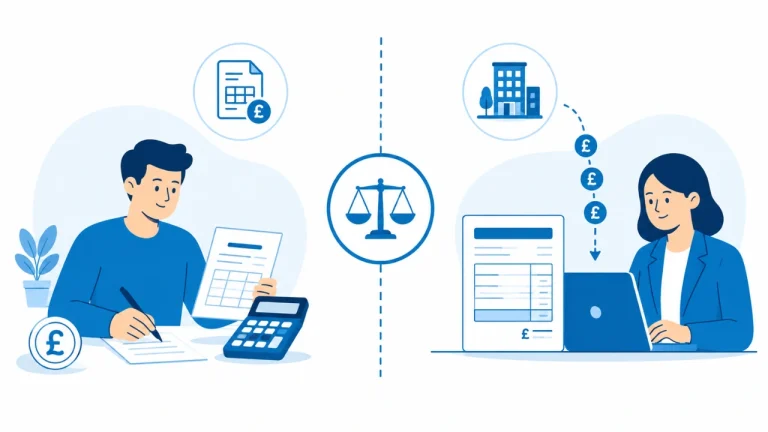
Self Assessment vs PAYE explained: how each system collects UK income tax, who uses which, the deadlines that apply, and what happens if you use both.
What Are Payments on Account and How Do They Work?
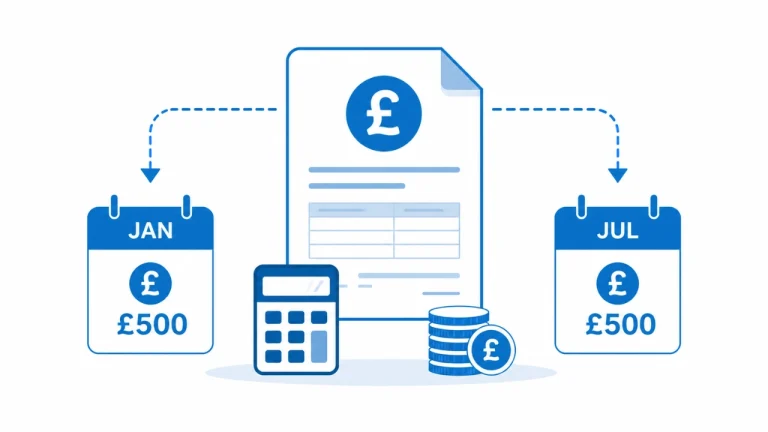
Payments on account are advance instalments towards your next Self Assessment bill. Learn who pays, how HMRC works out the amount, and how to reduce them.
What Is the SA104 Form?
Understand what the SA104 form is, who must complete it, and how SA104S differs from SA104F. A clear guide for UK partnership partners filing Self Assessment.