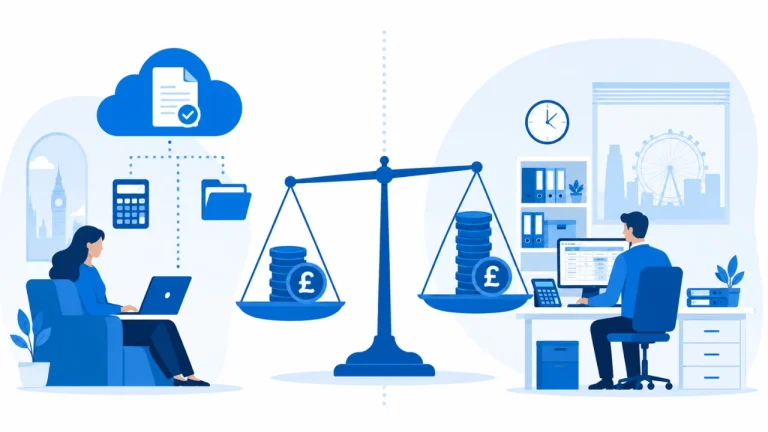
Outsourced Bookkeeping vs In-House: UK Cost Comparison
Compare outsourced bookkeeping vs in-house costs in the UK, including salary, employer NI, pension and software, plus when hiring becomes cheaper.


HMRC can impose penalties for various reasons related to tax compliance:
When it comes to late submissions of tax returns in the UK, there are penalties in place to encourage individuals to file their returns on time. The penalties charged for late submissions vary depending on the delay period and the type of tax return. The information below is elaborated from the official UK government source, specifically from the page titled “Penalties for late submission” located at www.gov.uk.
For individuals who fail to submit their Income Tax returns by the deadline, which is usually by midnight on the 31st of January following the tax year, the penalties are as follows:
There are a a few steps your must take if an error has been made while filing your self-assessment tax return:
If a business has estimated figures then it’s important to disclose the reason they were used. If the business has made a tax return and then receives the correct figure, it’s important to make changes to the tax return immediately. This can be done by either contacting HMRC directly or correcting the information on your personal tax account.
HMRC can often reduce the penalty if they assess that the taxpayer has made a mistake carelessly rather than being deliberate.
If a taxpayer states the wrong income they earned from other countries, then the amount of penalty the business has to pay depends upon the country.
If a taxpayer thinks that the decision taken by HMRC is wrong, they are able to appeal against the decision. The taxpayer is required to make the appeal within 30 days of the decision.
Overall, the blog has considered the result of omitting true taxable income, and the penalties charged on late payments.

Compare outsourced bookkeeping vs in-house costs in the UK, including salary, employer NI, pension and software, plus when hiring becomes cheaper.
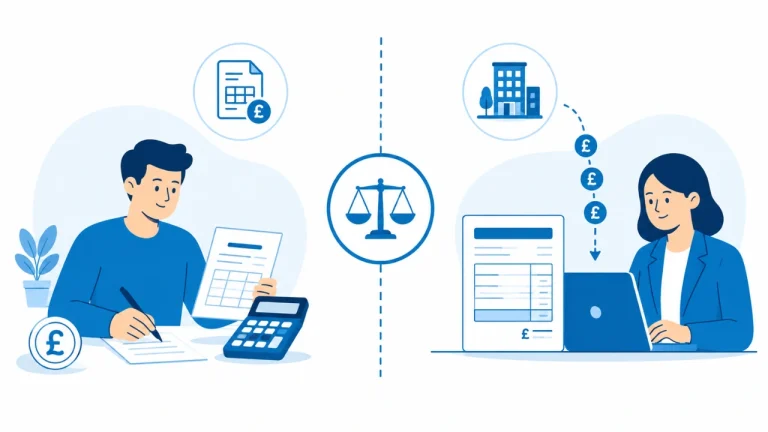
Self Assessment vs PAYE explained: how each system collects UK income tax, who uses which, the deadlines that apply, and what happens if you use both.
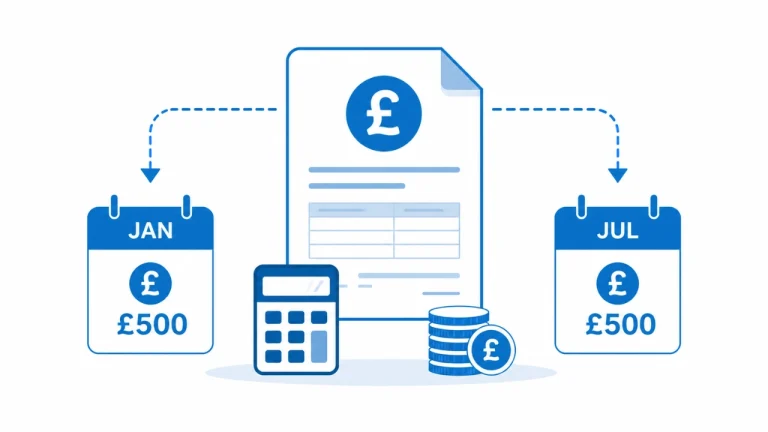
Payments on account are advance instalments towards your next Self Assessment bill. Learn who pays, how HMRC works out the amount, and how to reduce them.
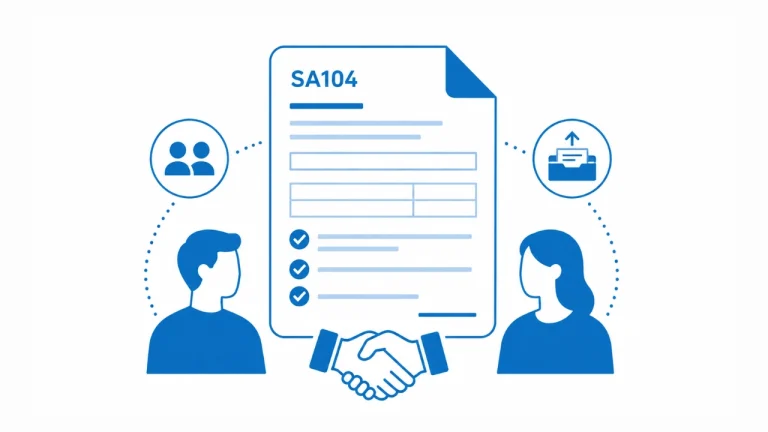
Understand what the SA104 form is, who must complete it, and how SA104S differs from SA104F. A clear guide for UK partnership partners filing Self Assessment.
Fixed Fee | HMRC Compliant | Trusted Experts